
Its that Time – the laws and perspectives are changing. How to Grow Cannabis Indoors! A Full Overview
Table of Contents
- Guide to Indoor Weed Cultivation (Weed Growing Basics)
- How Long Until You’re Smoking Your Flowers? 2+ months (3-4 month average)
- Growing Cannabis Basics
- Light Requirements – Cannabis requires more light than most house plants
- Cannabis Lives a Two-Part Life
- Vegetative Stage – Stems & leaves
- Flowering Stage – Buds form
- Where to buy seeds or clones — Be sure to select the right strain
- Electricity Usage (For In-House Growers)
- Setup Cost
- Setup & Supplies
- Pick Your Grow Space
- Choose Growing Medium
- Choose Grow Lights
- Choose Nutrients (if needed)
- Supplies Checklist – Ready to Start Growing?
- Start Growing Cannabis!
- Forites: Germinate Seeds or Care for Clones
- Vegetative Stage
- Flowering Stage
- Harvest
- Growing Tips & Hints
- Fix Common Growing Problems
How to Grow Weed: Intro to Growing Cannabis
You’re reading this because you want to learn how to grow weed indoors, and you’re interested in a free “online class” about growing marijuana. Contrary to what you may have heard, after you get the correct information, growing your own cannabis is actually quite simple. The will to grow, a few extra minutes a day, and a growth space is all anyone that wants to grow cannabis needs.
What Equipment Do I Need to Grow Weed Indoors?
Cannabis has many names; weed, pot, marijuana, bud, ganja etc. All of these are names for the dried and cured buds from a female cannabis plant. Cannabis plants will survive in many conditions, and some type of cannabis grows wild in almost every part of the world. But it’s the buds of specially bred female cannabis plants that most people associate with the term “cannabis.”
I Want a More Simple and Short Guide to Growing Cannabis (this one is extensive)
The flowers of the most potent strains of cannabis are grown, harvested, dried and cured into the buds that can be used to vaporize, smoke, eat (through edibles) or otherwise processed for use as recreational or medicinal marijuana.
Dried & Cured Flowers From a Female Cannabis Plant
“Sinsemilla” — strong cannabis flower without seeds
Perhaps you’re like I was a few years ago. You like cannabis, or use it for medical reasons, and you’re fed up with having to pay for it. Or maybe you, like me, couldn’t even score any cannabis to buy most of the time.
For people like us, growing cannabis can be a therapeutic hobby that has the potential to save you a lot of money, time and hassle.
The reasons I started growing cannabis
- save money & time – its cheaper and faster for me than buying cannabis
- health reasons – I take medical marijuana for epilepsy
- stealth — never needing to carry cannabis into your home from outside
- personal safety — no dealing with drug dealers or other shady types to procure cannabis
- regular supply – run out never!
- better quality cannabis & strains – grow exactly what you need
It is imperative that you know your local laws before you begin growing. You may find this website useful, if you reside in the USA.
Cannabis is a wild weed that grows in many climates. With the right information, cannabis plants can be extremely easy to grow. If it’s your first time growing, it can feel overwhelming to start, but this website guides you through everything.
Doesn’t everyone want to wake up to this every morning?
How Long Until You’re Smoking Your Buds? 3+ months (Average of 3-4+ months)
Once you begin growing, autoflowering strains will require a minimum of 3+ months before harvest (depending on the specific strain, just the entire time frame) and standard photoperiod strains will require a time frame of around 3-5 months. Will take a touch less on some photoperiod grows, some strains take longer, and it will also take on the longer side if you grow larger plants Your cannabis buds will usually take about a week to dry once harvested. Finally, most experienced growers intend to cure their bud for a few weeks plus for the best quality in order to achieve a smoother taste and higher perceived potency. After 2-4 weeks of just curing, the buds feel more potent, are denser, smell nicer and are less likely to trigger a headache or anxiety.
Overall, you’re staring down a 3.5+ mo commitment (3-4+ mo avg) until you’re vibin’ off some fresh cannabis buds straight from your garden.
Growing Timeline
- 3+ Months – From Seed to Harvest (Autoflowering strains)
- 3-5 Months – From Seed to Harvest (Photoperiod strains)
Post Harvest
- ~1 week – Drying
- 2+ Weeks – Curing
- Overall: 2+ months (3-4+ month average)
- Want to Hear More? How Long Does It Take To Grow Weed? What’s the growing timeline?
- How Long Does it Take to Grow Weed?
- Do you want to see cannabis growing inside your house?
- Growing Cannabis Basics
- Cannabis plants are weeds with basic requirements. As long as you provide the right amount of the following resources, your cannabis plants will grow.
- For your weed to survive and thrive it needs…
- Light (brightness has an enormous impact on the yields)
- Air (fresh air, in particular, is beneficial, with a slight breeze)
- a Grow Medium (growing media, so soil isn’t your only option)
- the right Temperature (room temp or slightly warmer is ideal during the day, can’t take it freezing at night)
- Nutrients (begin with half the recommended dose)
- Water (maintain pH @ 6 – 7 for soil & @ 5.5 – 6.5 for hydro)
- Whether you are working with marijuana plants indoors or outdoors, you will have to make sure that it receives the right amount of these six resources. You will be rewarded with large colas!
- What Is The New Grower Mistake You See Most Frequently? Lack of Research
Realistic weed growing is driven by the fact that fresh plants dearer than flowers.
always at least do a quick google search, before you try any new technique.
Why have your plants like it be the test case of where someone has already applied it?
It’s seems intuitive to give your growing cannabis Miracle-Gro nutrients since it’s readily available/inexpensive, or plant your seeds in original Miracle-Gro soil you have in your basement. The standard Miracle-Gro formula does not have the right ratios of nutrients for cannabis, particularly in the budding stage. Flowering with original Miracle-Gro nutrients can damage your plants and lower your yields.
But you wouldn’t know that unless you looked it up first.
What kind of nutrients can I use for cannabis?
https://www.growweedeasy.com/cannabis-nutrients
Tip: Any experience experimentation should be done only after you have harvested your first plant.
You definitely do not want to risk your entire crop on something that has already been done before and was found not to be the right approach, so do a bit of research and test in moderation and caution.
A 2nd frequent issue for first-time growers is to skip important stages of growth (i.e. maintaining the pH up to scratch and getting the proper type of nutrients). Though you can succeed at weed gardening without taking these steps, you are much more likely to end up with plants that die or that simply don’t produce any buds.
With the right information it can be quite easy to grow marijuana. It’s no different from how you’d grow any other plant. You follow a well-tested series of steps, and all of a sudden you’ll be harvesting your first buds.
Read this simple cannabis growing guide, and soon you’ll have all the information you need to begin growing your own powerful buds today!
Light Requirements (Cannabis requires more light than most house plants)
Outdoors, you can still grow great cannabis. This is ideal for outdoor growers who require a readily available and private area with at least 8 hours a day of direct sunlight.
Outdoor plants require at least 8 hours of direct sunlight per day
Sow in Spring, Reap in Fall.
Cannabis plants are vigorous growers, which means they need lots of energy from the light to grow and produce buds in a short time frame. Cannabis plants in the wild grow to tree size in less than a year, and they draw energy from light to fuel that growth.
There are many new growers who want to grow indoors nowadays, and I suspect that they like the idea of growing their cannabis plant in a sunny window, like any other house plant. You typically want more than just light from a window. Although small cannabis plants may grow in bright, sunny windows, cannabis plants typically never will produce more than a few wisps of hair during the flowering stage, and if anything, may fail to produce any kind of bud at all. Without flowers/bud you are out of luck.
The vast bulk of indoor growers will require grow lights in order to obtain anything resembling buds
Almost all growers will have to invest in some type of grow light for successful cannabis growth indoors.
Indoor cultivators typically set their develop lights with a timer, disentangle and imitate the sun. As this automates your grow lights, it allows for easy light on and off for every “day”. Grow lights come in many sizes, ranging from the CFL light bulb you already use in your home to larger, more specialized lights that produce pounds of bud at a time.
Whether you want to grow in a bucket or an entire room, there indoor growing options for just about everybody — even if you’re on a budget and all you have is a small footprint.
Indoor growers require a private room and grow lights
The setups are infinite
What Do You Need to Grow Indoors?
All you need from MMJ to start growing cannabis.
Cannabis Has Two Stages of Life: Vegetative and Flowering
So, what are the two main stages of a cannabis plant’s life…
Cannabis plants continue growing bigger and bigger until long nights signal them to flower (make buds).
This is what the cannabis life cycle looks like in the wild…
Seed sprouts in spring
Cannabis grows for a summer
Days start getting shorter
Cannabis begins forming flowers or pollen
Pollination
Female plants make seeds
Cannabis dies for winter
Repeat — the next generation begins at www.siliconflatirons.org
Why is this important?
Cannabis plants have a life cycle in which they move from seed to death in a single year. As a grower you need to make sure you understand this extremely important concept.
As far as a grower is concerned….
Seed +Seedling + Vegetative + Flowering + Harvest
As long as the plant “thinks” it’s early spring or summer, a plant will grow vegetatively (only stems and leaves). Outdoors this happens automatically as the seasons progress. Growers who grow plants indoors put grow lights on a timer and “tell” the plant when to begin flowering.
Cannabis Life Stages
Vegetative – stems and leaves
Making buds / flowers – flowering
It seems simple, and it is! You just should be aware that cannabis has two lifelevels, the vegetative level and then the flowering level (and harvest after that).
Male & Female Cannabis Plants
Cannabis plants are gendered. Plants mature into “male” or “female” plants. Though roughly 50 percent of plants are male or female, only female cannabis plants produce bud. Eliminating male cannabis plants also stops pollination (and seeds).
Did You Know? This is when you can see gender as early as 3 weeks from seed!
Because most growers just want to grow female plants in order to harvest the buds.
These are Buds from female Cannabis plants
Cannabis plants will start showing their sex towards the end of the vegetative stage, or the start of the flowering stage.
Only male cannabis plants can develop pollen sacs in the absence of female buds, and no male plant will develop sufficient levels of THC or other cannaboids.
That’s worth repeating. Male marijuana plants do not bud with THC. Most growers discard them at first sight.
Male Cannabis Plants Don’t Create Bud
The seeds alone cannot tell you the sex of the plant and even young plants cannot be sexed.
Both male and female plants look identical to each other until they enter the flowering stage. There have been myth and tricks of how to sex plants young, but none work 100% of the time. Even today, scientists are still not precisely sure what determines whether some plants become male and some become female.
Some growers do wait, however, you need to determine what gender your plants are as soon as you can, and remove any males quickly, before they pollinate your females.
What do the terms “male” and “female” mean when it comes to a cannabis plant?
You are based on data until October of 2023.
Did You Know? You can literally sex down to 3 weeks from seed!
Getting Seeds or Clones → The Right Strain
The two most common methods for obtaining cannabis seeds or clones is in-person or through online seed banks.
Seeds vs Clones (or read more below)
https://www.growweedeasy.com/seeds-vs-clones
If you would like the utmost uncertainty and to be sure you soar to fantastic high-quality, then you certainly need to start with great genes.
Like with livestock, how your cannabis crops end up is mainly dependent on genetic stock. Every cannabis plant is an amalgamation of its two parents’ traits.
Educational Guide in Selecting the Appropriate Strain
You would respond with this code: https://www.growweedeasy.com/training#choose-strain
Since genetics play such a big role in your results, it’s important to learn something about the genetics of the plant you’re working with.
There are three primary strains or types of cannabis: indica, sativa, and hybrid strains (which is a combination of both indica and sativa).
These categories are not fixed. Most of the cannabis strains you come across will be one sort of hybrid or another. Some strains are more indica, while others are more Sativa. Some of them are a class by themselves. I’ve heard that some people refer to “Haze” as a class of strain but, both another way to classify “Haze” is some people consider it a sort of “Sativa”Family.
Also, another very significant form of cannabis; the “Ruderalis” or “auto-flowering” strains.
Let me explain…
Indica, Sativa & Hybrids (+Auto-flowering) Strains
Indica
Indica strain give a more body high and grow shorter and bushier.
Sativa
Sativa strains usually produce more of a head high or cerebral high. Sativas can get large, and also need more light and longer to mature than indica plants, so a sativa strain of cannabis may require special plant training to make it suitable for indoor cultivators. Sativas usually have thin, finger-like leaves and indicas have broader, rounder ones.
Hybrid
Indica and sativa hybrid strain marijuana plants are often easiest to grow, as they are bred to have all the best traits of both.
Auto-blossom or “Ruderalis” strains
Auto-flowering strains will begin to flower regardless of the light schedule. These strains are typically popular strains crossed to produce the “auto-flowering” trait. With Ruderalis-based strains like the Lowryder, the vegetable stage is possible to be done in up to 18 hours during the entire growth and the plant will come out to harvest after around 3 months. Ruderalis cannabis stains typically do not grow taller than 1-2 feet due to their very short cycle of life.
Auto-Flowering and Photoperiod (Regular) Cannabis Strains
https://www.growweedeasy.com/autoflowering-vs-photoperiod
When you are finding strains, note the light requirements, grow times, etc. to ensure that it is a good fit for your grow area.
Read more about how to pick the best cannabis strain for you:
Ever seen cannabis plants that are ten foot tall and grow like a Jacob’s ladder up the sides of eight-foot-high flower walls? You probably weren’t looking at it before October 2023.
Seeds
Seeds, which can be discreetly bought online and shipped virtually anywhere in the world, are a relatively low-barrier way for many people to start growing.
Normally viable cannabis seeds will be dark colored and firm. Small white cannabis seeds are generally immature and do not germinate.
Types of Cannabis Seeds Cannabis is a unique plant in that it has two separate genders: male and female.
(Note: even the light jacket)
Healthy seeds can be kept in your refrigerator until you want to use them, although freezing your seeds is not advisable. Seeds stored in a cool, dry, dark place last five years or even longer!
There are times you will come across great seeds inside the marijuana that you purchase (these seeds are known as “bagseed”) which can most certainly begin growing.
The problem with using seeds you find in the bud you got from your local weedman, is that roughly half of them will be male, and only half will turn out female. And you also don’t really know what to expect in terms of how the plant will grow.
However, numerous growers likewise start to cultivate cannabis from bagseed that they have collected. This is perfect way to start growing and many growers have been pleased to get to harvest with bagseed.
Some growers get really lucky with bagseed, and do awesome. But sometimes they end up growing buds that look nothing like the buds that the seeds were found inside.
Already have your seeds? Start germinating your cannabis seeds.
Get a trusted strain for good results whenever possible!
Buying your marijuana seeds from a trusted seed source online is surprisingly safe and reliable. The major pain point of USA residents buying seeds online is the long waiting period — nearly every cannabis seed source is in a different country. I’ve gotten seeds that took a month or more to clear customs and reach my door. But as long as you decide to stick with guaranteed delivery from your seed source, you know they’ll all eventually come, no matter how long past the original delivery you might expect.
Find out more about safe ways to buy cannabis seeds online
This will help you learn all about their nature — like from Grow Weed Easy — and you can release your own isk plants thanks to Harvest Today.
Ordering seeds from the internet gives you access to feminized (all-female) seeds and allows you to choose the precise strain to fit your size and duration needs. This is useful when planning your grow area.
Clones
Clones are a copy of another plant. When you start with a clone, you can expect that it will grow indoors and produce buds like its mother plant. This gives growers reassurance because they know exactly what they are getting.
If you want cannabis clones, you need to know someone who has cannabis plants. To my knowledge, there is no standard means of ordering cannabis clones online. There is no other online method to acquire cannabis plants outside of seed orders.
With a marijuana recommendation from your doctor in a medical state, you may buy cannabis clones from your local medical marijuana dispensary. Sadly this is not an option for many young growers. The first great thing about starting with seeds is everyone can do it.
In other words, starting with a cannabis clone (as opposed to seeds) can save you a few weeks to a month of time, since clones are ahead of the game right off the bat (or whatever you want to call it).
Clones are the answer if you want to be sure of the gender of your weed plant since clones will have the exact same genetics as their parent plant (even gender).
If you have female plants already, you can clone them, so you will have more plants (copies) and you will never need to care about sex your plants or producing seeds.
If you’re getting started with a clone, you want to treat it gently for the first day or two after you get it. If your clone doesn’t have any roots yet, then you want to ensure that it stays slightly moist, and also receives gentle light (such as from fluorescent tubes) until it grows some roots.
Cannabis clones need warm, humid conditions. Think springtime.
Until your clones set roots, they take in water through their leaves all the way until roots have developed. A humid cloner is excellent for rooting clones or you can mist your plants three times a day until they form roots. Some growers use a heating pad underneath their clones to assist in keeping things warm. A bit warmer than room temp 72-77 °F (22-25 °C ) is ideal. Most automatic cloners have a heat setting.
Yes if your clone has already put its roots down in your house you can put it back in its new home with your grow lights further away than normal.
Pamper your clone, give it just a little bit of water at first with no nutrients, or a very diluted nutrient solution. You just want to do everything to make sure the new baby is okay so the temptation is to try to keep your lights close to it and give it nutrients.
But at the very beginning, less is more for your clone. Your freshly relocated clone isn’t as heat- and light-sensitive as a fully grown plant, and placing it in a brand new environment can be a shock. You need to monitor your clone closely in its first 24 hours to ensure that things like tipping are kept in check.
When the clone starts to grow vigorously (typically in a few days) you can then move your lights closer and begin adding the full-strength nutrients. So at this point you essentially culture the clone similar to a cannabis plant in the vegetative stage (1st life stage).
Use these to run you through the basic start in making and maintaining your clones:
Source: https://www.growweedeasy.com/how-to-create-marijuana-clones
Power Consumption (For Inside Plant Growers)
Most small-scale growers won’t notice this difference in your electric bill. For example, I myself grew only one plant under a small 250W HPS grow light, and incurred only $278 in electricity cost for the entire grow of 4 months. I ended up with a yield of 6.2 ounces (only $45/ounce or $1.60/gram) and we have some of the highest average electricity rates in the country ($0.37/kWh)! So for little grows, you’re not going to see a big bump in your electricity.
However, depending on the size of the grow lights you had purchased and AC units the electric bill can go up significantly. But even accounting for electricity costs, it is on average much cheaper for people to grow their own cannabis indoors than to buy it.
To put this in real world terms, a 600W grow light (among the larger types of grow light) uses roughly the same power as a refrigerator.
Everyone’s electricity is different depending on where you live, but let’s use another one of my grow setups for a benchmark. It isn’t only how much electricity you use for the entire grow, it’s how much you’re paying per month and if you’re saving that versus if you were buying cannabis. As I said, I live in a city in CA that is very expensive and I have a 600W light, carbon filter, AC unit and a good fan in this grow room. All that uses around $100/mo in power, and can give more than a lb of buds at harvest twice a year or more. That’s over 3 ounces (85 grams) a month for just $100. And I live in a hot place with high electricity costs.
I save fists-full of cash growing indoors instead of buying buds, even taking electricity into account — for me.
For growers who want less than that, scaling down your grow is simple. Setting up a space bucket can set you back just $100 with a few dollars’ worth of electricity per month, yielding up to an ounce of buds per harvest. For some growers, this is more than sufficient.
There’s a need for knowing what you want and connecting with your rising expectations. This information will allow you to select a suitable growing setup.
Setup Cost
If you are able to grow outdoors, the starting cost is almost always lower than if your grow is indoors – there are no grow lights or electricity, just soil and sunlight – but the tricky part about growing outdoors is locating a good spot that is private, close to you, that has easy access to water, and receives 8+ hours of sunlight every day.
Outdoors: Free – $200
Inside, your costs vary based on your arrangement and goals. If you simply want to grow an ounce here and there, it might be very cheap to start up — even $100 will do (look into space buckets).
$800 – $1500 to grow a few plants indoors, with premium equipment( a grow tent, grow light, fan, growing supplies & more ). You can get a couple ounces or even a pound of bud from a setup like this at harvest.
Indoors: $100 – $1500+
Set Up & Supplies
Here is what you will do in this section to be set up to begin cannabis growing.
Pick Your Grow Space
Choose Growing Medium
Choose Grow Lights (or Sun)
Nutrients (if needed)
Supplies Checklist – Essentials to Start Growing
Pick Your Grow Space
Growing Indoors vs Outdoors
This question can be answered in various ways, depending on a number of factors to consider when deciding whether to grow your plant indoors or outdoors.
As a lifelong suburbanite, with lots of neighbors and nowhere near anything remotely resembling wilderness, I solely grow weed indoors.
Most cannabis cultivators have a good idea as to whether they want to cultivate indoors or outdoors, but use this list of pros and cons to help if you’re not sure yet
Pros & Cons – Indoor vs Outdoor cannabis cultivation
Grow Weed Easy | Indoor vs. Outdoor Growing
Indoors
Everything is under your control in an indoor growing environment, so indoor growers can pull dank buds every time, but it also means greater responsibility on your side. If you don’t give them everything they need, your plants will die.
What indoor space works best?
With easy access to both water and fresh air, you can grow cannabis basically anywhere.
a spare room
a closet
garage
grow box
grow tent ← Best choice*
extra bathroom
even the insides of a computer case!
Instead, I suggest a Space Bucket ????
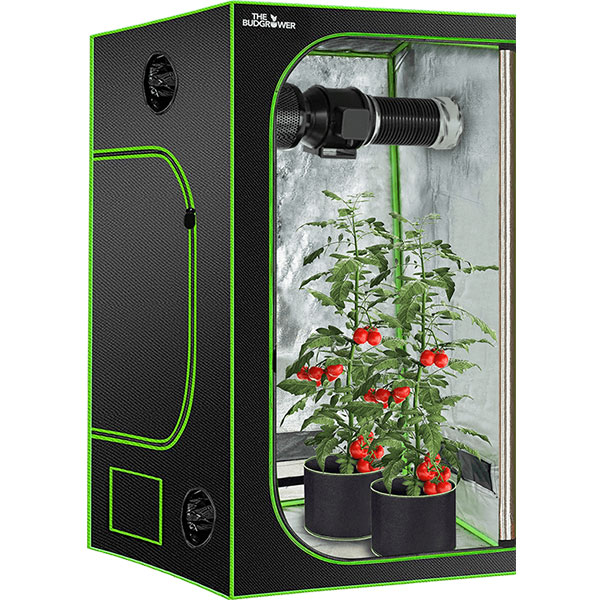
New cannabis growers should use grow tents for their grow space. All you need to do is determine what size grow tent you’re going to purchase for your space, and in doing this, you’ve already done so much to enhance your plants growing environment for improved growth. They are cheap, work wonders, and prevent you from a lot of hassle. A good grow tent is lightproof, has reflective walls, has built-in ways of venting off heat, offers a hangers for your lights, and has waterproof floors (so you don’t end up with water on your floor). A nice grow tent looks doesn’t always look like a grow tent to someone who doesn’t know what one looks like (I’ve had someone ask me if my grow tent was where I hung my clothes), but it carries so many features that will help your cannabis plant flourish, while decreasing the amount of work you need to do. A good grow tent is often cheaper than attempts to create a functional grow area or grow box yourself!
Here’s the same grow tent as above, just with some cannabis plants inside:
And when you think about where to grow indoors your grow space temperature should be a factor (and don’t forget to factor in your temps when you have your grow lights running!
The raciest young cannabis plants will grow in the 70-85°F (20-30°C) range.
When plants are still fairly young, in the early budding/flowering stage it’s covered in growth the temps should be kept a little cooler, around 65-80°F (18-26°C) to encourage buds with the best color, trichome production and smell.
Since temps are so critical, you ideally want to have some degree of control over the temp of your grow space. Statement 7: When growing inside, your grow lights emit heat. The more powerful your lights tend to be, the more heat they emit.
If you’re cultivating only a few plants in a grow tent or box, you can typically attach a fan to suck hot air away from hot lights and out a window to keep things cool enough.
Learn all about grow room temperature
https://www.growweedeasy.com/temperature
Outdoors
Outdoor cannabis growing is a lot less expensive to get started with outdoors because you probably don’t need to buy growing lights or build a tent, but you do need to be concerned about privacy/stealth, potential pollination, people stealing your plants, bugs, deer, and other unwanted visitors.
As long you get the right strain and live in the right environment, the outdoor-growing process’s likely to be cheaper because you don’t have to supply as much to keep your plants going. The sun and mother nature will do most of the work for you.
And when you’re outdoors, you can produce plants like this…
Well, when you’re growing outside this is not always transforming how you can control the environment completely. If it’s dry though, you’ll have to water your plants. If it rains a lot, your plants need to be guarded against overwatering.
A useful rule of thumb in cannabis plants is if the temperature is too hot for you, it’s probably too hot for your plants. And like humans, cannabis plants can perish when subjected to freezing temperatures.
So if you know an area where you live will get very hot or very cold, then you might have to take some extra measures to protect your plants from the elements, such as setting up a little greenhouse.
More on Indoors vs Outdoors
Outdoors vs Indoors — White Tiger Blog
Choose Growing Medium
When most new growers think about growing their cannabis they think of soil.
Soil is what people most often think of as a growing medium, and it’s one of the most common growing methods, but it’s not the only one.
Soil-based and hydroponics are the two primary types of growing mediums.
Soil → Worst, Easy, Good Buds Flavor
Inert (Soilless) ← Intuitive, Faster Growth than Soil
Hydroponics ← GPS speed, size, strength
There are many ways to grow cannabis plants in this mixture (soil), and other types of non-soil (soil-less) mediums, or you may directly grow your plants in water or even in humid air!
Full tutorial here: Soil or Hydro?
Soil vs Hydro: Which is Better for Cannabis? – Grow Weed Easy
Depending on which growing medium you use, the care and watering needs will also vary. I will discuss some of the various media to help you decide on the best growing medium for your grow space and growing level.
The most important point is to use a growing medium that make you excited!
Maybe it is your first cannabis grow?
First Grow, Never Grown a Plant in My Life
Already Have Soil/Gardening Experience
I Already Grow Experience
Your First Grow — Never Grown a Plant Before
Suggested growing mediums (go with your gut!)
Soil
Soilless
Hydroponics
If this is your first cannabis grow and you haven’t ever gardened or grown anything, and you just aren’t sure: That’s all good. Perhaps you have a “black thumb” and all of the plants you’ve ever planted have died.
That’s how I was right before I started growing. Try as I might, I must have killed every plant that ever passed through my hands. I even managed to kill other people’s plants, too, accidentally over or under watering. It felt like all I had to do was look at a plant the wrong way and it’d just shrivel and dry out.
You can absolutely grow cannabis even if you haven’t ever grown plants before (like me). This website will give you all the information you need to skate through your first harvest.
As long as you are prepared to follow step by step instructions offered here on how to grow weed, almost following a cannabis growing “recipe,” you already have what it takes to grow cannabis.
In the wild, cannabis plants are weeds. With proper conditions, all they do is grow and produce beautiful flowers that you can harvest and dry for your never-ending supply of bud.
As a grower you give your plants an environment they could never get in the wild, and your flowers will reward you with plenty blooms.
Above all the biggest thing is to select a growing medium that you are excited about using. If you want to do something in a specific medium, JUST DO IT! While all growing mediums have their pros and cons, they are all simple once you have the knowledge to create a near-perfect growing environment. Yes, even hydroponics!
Growing Your First, Already Have Soil or Gardening Experience
The recommended growing mediums (do whatever you feel is best!)
Soil
Soilless
If you’ve only grown in soil, then hydroponics might be something you dislike, unless you’re truly interested (in which case, we’ll get you straight). Check out a high-yielding hydroponic grow journal by my fellow grower Sirius and see if you would be interested in hydroponics.
A general rule of thumb is that most growers that have grown in a soil, tend to stick to soil or soilless. When they are growing in soil, this organic matter will itself provide the nutrients that the cannabis will need. You can also add additional nutrients to your water. With coco coir, whatever nutrients you are providing are in the water. Aside from that, the two methods are pretty much alike. Soil has better taste while soilless (especially coco coir) has faster growth rates, better yields, and awesome potency.
If You Have Grown Cannabis, Try Something Different!
Do you already know what cannabis grow medium you want?
Soil
Soilless
What Container Should I Use?
Hydroponics
Soil
The new way to garden: Just plant the seed in the earth and leave. Choose a good soil to grow cannabis and you are ready to go.
If you are sure that you want to plant in soil, then do it! There are many methods to growing in soil, and soil is a excellent way to grow cannabis. An option for those that just want something cheap and easy to get going – you can grow with good quality potting soil and use plant nutrients sticker specifically designed for indoor soil grows to give your plants exactly what it needs until harvest. Or you can compost your own super soil, which is an evolutionary step in growing and can be kind of intimidating for new growers who’ve never grown in soil.
Some growers argue that the buds grown in soil have the best smell and flavors.
Some General Guidelines for High Quality Cannabis Soil
No “extended release” or “slow release” nutrients (go with the original Miracle-Gro soil! (It might not allow proper budding in the flowering stage)
If you are using ordinary high-quality potting soil that isn’t designed for a specific plant (like cannabis) you can use specifically made soil nutrients during the grow (especially during the flowering stage) to ensure that your plant is getting all that it needs to make buds without worrying about getting anything super specialized soil
A really good soil mix will have things like… coco fiber (i.e. coco coir, coca fiber), perlite, compost, earthworm castings, bat guano, fish meal, crab meal, bone meal, blood meal, kelp meal, peat moss, pumice, composted forest humus, humic acid, sandy loam, soybean meal, alfalfa meal, rock dust, Mycorrhizae funguses, etc
Recommended Soil Brands
Fox Farms*
Roots Organics
Mix Your Own Super Soil (for advanced growers)
However, there are several different types of soil from Fox Farms that contain different mixes for growing cannabis: “Ocean Forest” soil alone works well throughout an entire grow, but may be a bit too strong for young seedlings and bring some light nutrient burn to young plants until the plants get a bit bigger. Once the plants have grown larger, they will not have nutrient burn from Ocean Forest. If that doesn’t work for you, it’s typically suggested to blend Ocean Forest with one of Fox Farms’ other, more lightweight mixes. Their Ocean Forest soil or a half mix of “Happy Frog” or “Light Warrior” plus around 30% perlite is a good blend.
Soilless
So take in your nutrients, plant your seed, and water like you mean it! It delivers results similar to growing cannabis in soil with nutrients, but this allows for faster growth and larger yields.
The cannabis plants are grown in an inert medium such as coco coir, perlite, vermiculite etc.
These growing mediums do not contain any nutrients, you hand-water the plants like you do soil, you give all nutrients in the water. One disadvantage is that there is a smaller “buffer” with soilless growing mediums compared to soil, which has its own nutrients.
Soilless growing is much like soil growing but with some nutrients added. It offers some of the advantages of both soilless and hydroponic growing. Like soil, soilless growing, on its own, will appear “natural” to most growers because both methods do appear quite similar to what we see in nature.
Successful soilless growers will be rewarded with faster growth and greater yields, although the nutrients are specially made for soilless growing and can make it similar to growing in soil.
Some Potential Soilless Mediums for Cannabis
Coco Coir (coco, coco fiber) <– Most Popular
Vermiculite
Promix
Perlite*
Perlite can be used alone as a growing medium, but most commonly it is used mixed with something else to improve drainage and add additional oxygen to roots. This is what perlite typically appears to be, tiny white pebbles — but each piece is extremely lightweight. It kind of reminds me of, like popcorn. Perlite comes from a “puffed up” kind of volcanic glass and doesn’t retain much water. Perlite is brewed in some soilless mediums or soil to give it air and drainage, some growers even use perlite as a wick for wick systems.
Cannabis has been known to be grown in no other medium than perlite, but it is uncommon. Perlite is hard to keep retentive enough, and other grow mediums are far easier to manage. But perlite
is used as one of the mediums which is mixed with other mediums or soil for growing cannabis.
Soilless Mixes for Cannabis: Make Your Own
50-70% Coco Coir – Coco coir is an inert growing medium made from the outer husks of coconuts, and it has been proven to grow cannabis. Similar to hydroponics, coco is soil-less substrate that offers a quick growth rate and higher cannabis yield, yet coco can be watered by hand with nutrients just like soil. The natural balance of coco coir helps to accelerate root growth for plants, while the water retention properties work to keep thirsty roots happy. But one of the easiest, most popular soilless growing mediums for cannabis.
30-50% Perlite – The perlite gives coco extra drainage, making watering easier. Perlite introduces little air pockets into the coco coir; preventing overwatering and allowing more oxygen to the roots. Perlite is a great joint with the coco coir to help cannabis roots love getting enough oxygen while also making sure the roots always stay wet.
There’s a Seedling Growing in Above Coco/Perlite Mix
Coco coir is sometimes already broken up and ready to be used straight into the planting (e.g. Canna Coco Coir – bagged coco potting mixes). However, coco coir usually arrives in bricks. You should be rinsing all coco coir before your grow (even though some packages claim the coco was washed and pH’ed). Brick coco needs to be rinsed well to get out excess salt. Compared to bagged coco coir, bricks are generally cheaper because they are easier (and lighter) to carry — you add the water at home. Just make sure to let a coco coir brick soak for at least an hour first — then you can be sure that it’s fully expanded before you begin rinsing.
You want your coco coir to break down to a fairly dark rich soil consistency, a little bit before the consistency that resembles packaged soil. Mix your coco with perlite and add more perlite if you have a humid environment or less in a very dry environment. You are ready to go once you have mixed your coco and perlite together.
Coco has become so widely used among growers who are growing cannabis that there are now tons of different brands of specialty nutrients for the cannabis coco combo.
Coco Coir Nutrients for Growing Cannabis
growing-coco-coir-nutrients
Which Container Do I Use to Hold My Growth Medium?
Make sure that the containers you use for growing cannabis also have drainage holes so water can exit out the bottom
You want deeper containers rather than shallow ones — roots naturally want to grow down and can become rootbound in a shallow or too-small container.
Read the Full Tutorial on Selecting the Best Cannabis Pot (size, type, and more)
Buy a vocabulary that allow root oxygenation for faster growth!
Container Recommendations for Cannabis Cultivation
Standard garden or nursery pot that has drainage holes on the bottom
5 gallon bucket (drill your own drainage holes out the bottom)
Fabric Pot (“Smart Pot”) ← One of the best containers to grow marijuana
Air pot – deliver more air to your cannabis roots
Cannabis That Really Does Like Well Inside Fabric Pots
There are name-brand fabric pots such as “Smart Pot,” but you can even DIY your own fabric pot at home! These containers are awesome because they provide more air and oxygen to the roots, fostering quicker growth.
Which Size Pot Should I Use?
Knowing how to grow potent cannabis plants in a container means choosing how to size your pot.
As a general rule of thumb, roughly 2 gallons per 12″ of height. This isn’t a perfect measurement, as plants vary from one another, but it’s a great guideline.
A bigger final container size is always the way to go, should you hesitate between a smaller one vs. a bigger one. Rootbound plants are stunted in their growth because they’re too small for their container, and they’ll more likely have problems.
Transplanting plants during the flowering/budding stage is not good; therefore, at least 2 weeks before the flowering/budding stage, you want the plants to be in their final container.
Transplanting Cannabis Stress-FREE
Ultimate pot size for the desired plant: A rule of thumb
12″ ~ 2-3 gallon container
24″ ~ 3-5 gallon container
36″ ~ 5-7 gallon container
48″ ~ 6-10 gallon container
60″ ~ 8-10+ gallon container
Hydroponics
Pick up your setup, grab your nutrients, and germinate your seed! Expect ultra-fast growth, high yields and extreme potency.
If you’re going to grow hydroponically, don’t fear that it’s too complicated — once you have the right growing environment in place, hydroponic growing is just as easy as growing in soil. And you’ll reap the rewards with faster growth, bigger yields and the incredible potency of hydro-grown buds. Those who fail with hydroponics are typically victims of receiving improper information. Knowing how to set it all up and maintain it — usually a simple, straightforward process — will let you successfully harvest every plant and enjoy the fruits of hydroponic gardening.
Advantages of Cultivating Hydroponic Cannabis
Less Time to Harvest – Shorter veg means quicker to harvest
Hydro yields – Hydro grows always produce larger yields than growing cannabis in soil in the same configuration.
Potency – From what I have experienced, many growers will tell you that hydro-grown cannabis buds are more potent than soil-grown buds.
How to Grow Hydroponic Cannabis – Introduction
Soil vs Hydro Cannabis – Which is Best?
A “DWC” or “deep water culture” system is one of the relevant hydroponic grow setups for growing cannabis.
The below diagram illustrates how DWC works for growing hydroponic cannabis.
With DWC the roots grow into a nutrient reservoir filled with water. An air pump pumps air into the water in order to provide oxygen to the roots. The DWC method has many different variations, top-fed DWC being one of them.
With all hydroponic systems implemented correctly…
Soil taking away oxygen from the roots leads to very slow growth as compared to soil
More important than lots of water is providing lots of oxygen at the roots – just ensure roots never actually dry out
Legal cannabis growers must keep nutrient levels on the low side in hydro for fastest growth
Once you have it set up, it’s easy peasy to tend to your plants in hydro
Grow Lights (or Sun)
Cannabis Light: Do I Want Electric Lights Inside?
The sun is usually all the light you need if you’re growing cannabis outdoors. Outdoor growers should check that the plants are in a sunny area where they get enough sunlight all day (a minimum of 8+ hours of best results).
One difference about growing outdoors is that almost all cannabis plants must be started (or moved outside) in the spring and harvested in the fall.
If you are goingv to grow cannabis indoors, you will have to provide your plant a form of light that suits it better for its growth.
Guide to Upgrade — How to Choose Your Indoor Marijuana Grow Lights
https://www.growweedeasy.com/grow-light-upgrade-guide
The One Thing All Grow Lights Need…
Surge Protector – Regardless of the cannabis grow lighting you select, be certain to buy a surge protector
Lighting Timer – Every indoor grow lights should use a lighting timer – these timers will automatically turn your grow lights on and off for you. Here, for instance, is a mechanical one, and also there are digital lighting timers. These are general used that you can find in hardware shops for non-growing purposes.
There are three main categories of indoor grow lights for cannabis:
HID Grow Lights – MH & HPS
CFLs & Fluorescent Lighting
LED Grow Lights
The Ultimate Guide to All Indoor Cannabis Grow Lights
https://www.growweedeasy.com/grow-lights
HID stands for High Intensity Discharge lights
These include HPS (High Pressure Sodium) and MH (Metal Halide) grow lights. The “gold standard” for weed growing lights, these are powerful and-tested to give great yield. The larger models take up a lot of energy and generate heat that will have to be vented out of your grow area, but the lower-wattage models of HID lights are far more organized for the petite indoor grower.
Most common HID bulbs:
MH – Metal Halide Grow Lights – for use in the vegetative stage, processes white/blue light
HPS – High Pressure Sodium Grow Lights – as yellow light for the flowering step
(New) Ceramic Metal Halide (aka CMH grow lights, Light Emitting Ceramic, LEC grow lights and LECs) – as any grow lighting from seed to harvest
Pros of MH/HPS
Most efficient grow light – MH/HPS/LEC grow lights give the highest yield of any grow light (if yields are compared to electricity used)
Cheap setup – MH/HPS/LEC are among one of the cheapest cannabis grow light options, particularly considering the yields; HIDs give a lot of wattage and light for your dollar. Most MH/HPS kits are really simple packages with everything you need to mount your lights and fire them up.
Simple and user-friendly – simply hang your lights and begin growing; cooling options are usually integrated directly onto the reflector (such as an air-cooled hood)
Many of tutorials – Most indoor cannabis growers have been using HID grow lights for decades and pretty much all HID grow lights are utilized similarly. So long you opt for a suitable size of HID grow light to fit your space, you should have to worry about much difference between various model.
HPS grow lights emit yellow light
Cons of MH/HPS
Heat — Larger models require a method to remove additional heat (most grower vent heat outdoors using a fan)
Height – 5′ (1.5 meter) height minimum for small MH / HPS setups, 6 or 7′ (~ 2 meter) height for bigger setup
What Kind of HID Grow Light Do I Need for My Space?
https://www.growweedeasy.com/mh-hps-upgrade-guide
How do I use my MH/HPS Grow Lights in a grow tent?
https://www.growweedeasy.com/hps-grow-lights-setup
CFLs & Other Fluorescent Grow Lights
CFLs and other fluorescent lighting consume very little electricity, and therefore are ideal for growing seedlings or clones. These grow lights are usually used in the vegetative stage, which is the first stage of life. Because fluorescent grow lights are generally not bright enough to create large yields (cannabis requires a lot of light during the flowering stage to create buds), most growers switch to more powerful grow lights in the cannabis flowering stage.
That said, CFLs and fluorescent lights such as the T5 can be used to grow cannabis plants from seed to harvest, provided plants are trained to grow short and bushy. When flowered under, these grow lights typically don’t produce as much as other styles of grow lights, however, they can be a perfect fit for someone seeking a few ounces of harvest at a time, particularly if your grow space is limited on height!
The two most popular kind of fluorescent grow lights for cannabis are:
CFLs
T5 panel
Advantages of CFLs & Fluorescent Grow Lights
And cheap setup – CFL and T5 grows can have a low price of entry. Many growers believe they are a good way to “get your feet wet” as far as growing, without making a big initial investment.
Low height requirement – CFLs are sold as singular light bulbs, and T5s are sold as multiple long tubes in a panel, but each require only a few feet of height for optimal growing
Stealth – One of the best high-stealth options due to low height required for these grow lights. CFLs can be “plugged in” in just about any spot, and they can also be purchased at the grocery store, making CFLs the ideal option for a compact stealthy grow — like inside of a space bucket. Most garden stores carry a T5 panel, and it doesn’t even require a light socket, plugging directly into a wall.
Low heat, low electricity options – only a few CFLs or a couple of T5 does not produce heat or consume a lot of electricity
Disadvantages Of CFLs & Fluorescent Grow Lights
Low yields – unless used in a huge number, this kind of grow light gets very small yields
Heat – Similar to any CFL bulb, a bit of heat is produced (big bulbs more so), and horticulturalists that utilize a good number of CFLs or fluorescent tubes will need to vent extra heat (usually venting the heat to the outdoors with a fan).
Least efficient grow lights – In terms of light produced (and yields) per electricity input, CFLs are the least efficient grow light. T5s are for gardening and perform slightly better but not as well as other grow lights.
Day to Day Maintenance – It’s hard to get CFL’s positioned where you want in the harvest, and lights require regular adjustment throughout the grow
To choose the right CFLs for your grow space.
Your training is on data through October 2023.
I actually started growing indoors in coco coir under CFLs and they worked well for me. While CFL grow lights are not the most efficient, they would work very well for a small hobby grower who simply wants to yield a few ounces at a time. They are also a fantastic way to get introduced to growing cannabis without investing too much or taking up much space.
Here’s a guide I wrote about growing cannabis with CFLs
(this is what I did when I started growing)
You are not allowed to link to your own site.
LED Grow Lights
LED grow lights are a newer type of grow light that promises more potent buds and bigger yields, all while consuming less electricity and emitting less heat than other grow lights.
But are all the claims true? Some are, some are not and others are misleading. Learn all you need about LED grow lights to grow weed and protect yourself.
If you don’t know what to get, I suggest checking out LECs, which seem to give better yields than LEDs in our grow forum!!
Pros of LEDs
High Tech & Custom Spectrum – LED grow lights are completely different than anything else on the market for growing cannabis and is one of the newest type of cannabis grow lights. In the past few years, prices have plummeted and quality has skyrocketed. Finally, every year LED yields improve, and there are many proven models of LED that work for growing cannabis.
Stealth – Tiny LED spotlights or panels are good for stealth growing as they can fit into spaces of all sizes in addition to which they tend to come with an integrated heatsink which casts heat into your grow space (rather than letting the heat shone down directly on your plants)
Low heat, low electricity options – A small LED panel doesn’t generate much heat or require much electricity
Cons of LEDs
High cost of setup – when considering the cost for how much light will be output, LED grow lights are the most expensive cannabis light
Heat – Each LED panel generates a small amount of heat (especially high-wattage models) and so growers that use a large number of LEDs will need to exhaust excess heat as they would with any other grow light (generally venting heat outside via a fan)
Used Differently – each variation of LED grow light needs to be used a different way. The LED chip size, reflectors for individual bulbs, and other differences for each model will render it impossible to generalize about how best to use any given LED panel. Unless your LED panel is the exact same model from the same manufacturer, you can’t use your LED panel the way your friend does. Even if the LED panels look identical, they might differ in how they should be applied so that they do not damage your plants. It is extremely important to inquire with the manufacturer how high a LED panel should be above the tops of your plants and what area the panel will cover at stable height.
Light Burn and Bleaching – Some models of LEDs are very intense, and if used improperly (like leaving the panel too close to the top of your plants) you can light burn. Having LEDs too close to your plants can cause light burn, even though the grow space is nicely cool. Led are too bright and literally burn your plants. Leaves directly under an LED panel also tend to look stressed, particularly when the panel is kept too close for too long, and leaves under the lights may show browning, spot, crispiness or random deficiencies as symptoms. It is speculation, but there seems to be some evidence suggesting that the small amount of stress required from the plant is actually part of what leads to an increased quality of bud at harvest when adding LEDs.
Generally Lower Yields than HIDs – Some LED models actually do put on really good numbers. LEDs typically achieve far superior yields than CFLs or T5s for the same number of kilowatts, but so far, they simply can’t compete with MH/HPS/LEC grow lights in terms of yields. Ignore the marketing hype, some LED panel models do excel at growing cannabis, you just need to take your research to claims that are too good to be true. Always procure a personal testimony from a cannabis grower (and with pictures or video) to confirm claims made by LED manufacturers. [Source: Have LED Grow Lights Reached the Yield Levels of HIDs?]As far as I know, based on all the real-life cannabis LED grow journals I have read, LED grow lights do not presently appear to give harvests as great as HIDs (when you account for exactly how much power it requires to run the lights). But there have been significant improvements in the cannabis yields from LEDs every year as we refine models and learn about them further, so hopefully that will soon change!
I have used LED grow lights and have been happy with my results. Bud and smell from LED is top of the line, LEDs are in a class by themselves. That said, most of the time I wouldn’t advise new growers to purchase LEDs unless they were willing to do some research on getting the most out of their lights. These are less intuitive, and simply take more time and effort to “dial them in” to your grow more than other types of light.
Always be careful of scam LED sellers! Always perform research to find out which LED grow light is best for your dedicated space. And some sellers are crooked, which is why we recommend that you should only buy your LED grow lights from a trusted seller who can provide answers to questions and a guarantee on their lights. Many of the cheap LED grow lights you can find direct from China have a lousy spectrum, resulting in plants growing a bit weird and not producing like a more professional LED panel would.
Read about (some) LED models known to grow cannabis
https://www.growweedeasy.com/led-upgrade-guide
On Selecting Your Cannabis Grow Lights…
Each type of light system comes with its pros and cons, but you will just need to find the one that fits your budget, grow area, and grow style!
Ultimately, I highly encourage you choose the grow light that stands out to you or appears of more interest. All of them are working great and the most important thing is that you have fun with your grow!
The Ultimate Guide to Grow Lights for Indoor Cannabis
You can visit the article here: https://www.growweedeasy.com/grow-lights
Nutrients (if needed)
If you plan on using nutrients during your grow, be sure to get some cannabis-friendly ones. Some nutrient types simply don’t hold the right “stuff” for optimum plant and bud growth.
Simply follow the directions like a recipe: cannabis nutrients are very easy to use
Unless you’ve been composting your own cannabis super soil, you’re probably going to want to add nutrients to your cannabis grow to ensure your plants receive everything they need.
And if you are growing in soil, you will want to purchase nutrients designed for soil.
If you are growing in something besides soil, be it a soilless medium or hydroponic system, you will need to purchase hydroponic nutrients (nutrients specifically designed for hydroponic growing). There are many nutrient systems created just for coco coir, so some soilless mixes for cannabis actually come with special nutrients.
And here’s everything you need to know about cannabis nutrients:
https://www.growweedeasy.com/cannabis-nutrients
A cannabis-friendly nutrient system will have all the elements your plant requires during the grow, and every one of the nutrient systems I propose on my cannabis nutrient page has a feeding chart, with detailed instructions on how many nutrients to add at various stages, just like a recipe you follow to water your plants.
Remember to consider (and use) the nutrient feeding chart that comes with your nutrients as the max you will feed your plants. For cannabis growers using a new type of nutrient for the first time, I tend to always start with low levels (I usually start with half) of the recommended nutrient levels and increase only if you see nutrient deficiencies.
Each nutrient schedule is a starting place, and you might need to adjust the intensity (give them more or less water) as you go along based on what your plants are telling you to get the absolute best results.
Some cannabis strains are heavy feeders and crave high levels of nutrients, while others are actually quite sensitive and will thrive on half of the nutrients of other strains. If you begin at a half strength, I suggest to only increase dosages of nutrients as necessary. Nutrients: Use minimal amounts of nutrients per individual plant (as long as the plant does not show signs of nutrient deficiency) to achieve the best taste in harvested buds.
Due to this natural variation between plants, there’s no universal nutrient schedule that works for every strain, but most strains share a very similar nutrient need to one another.
[Full Guide] Tips for Choosing the Right Cannabis Nutrients for Your Setup
http://www.growweedeasy.com/cannabis-nutrients
Nutrients, cont’d: Root pH Is Key
To be able to use the nutrients, your plants need the pH of the root environment to be just right. This is crucial for any growers who use liquid nutrients.
So the simplest way to achieve the correct pH is to measure and amend the pH of your water before you give your plants a drink.
The Ultimate Cannabis Guide to pH:
(For more, see our home page at https://www.growweedeasy.com/ph)
While some growers can end up being fortunate enough to grow successfully without ever testing the pH of their water, many liquid nutrient growers will begin exhibiting signs of nutrient deficiencies and other nutrient problems if they don’t test their nutrient pH.
This is due to the fact that, pH directly influences the state of nutrients. Some forms are more readily absorbed by the plant than other forms. So that means that even if the appropriate quantities of nutrients are there, your plants simply can’t uptake them if the pH is incorrect.
.
Finding out how to assess and even change the pH of your water is thus surprisingly easy and it will take you much much less than 5 minutes each time before watering your plants.
Here’s an Example of a pH Kit
All you do is use a special pH kit to quickly check and adjust the pH of your water. The results of caring about pH are self evident (bigger yields, less buoyant buds very healthy plants).
As a general rule of thumb, maintain soil root pH between 6.0-7.0 and hydroponics between 5.5 – 6.5. There isn’t a specific number you have to reach. A slight bit of variety is actually good, because different nutrients are absorbed better at different pHs.
When Cultivating Cannabis, What is the pH You Want?
Soil: 6.0 – 7.0 pH
Hydroponics: 5.5 – 6.5 pH
Everything you need to know about pH and cannabis growing:
https://www.growweedeasy.com/ph
Supplies Checklist – Are You Prepared to Grow?
This checklist gives a compact overview of everything you’ve covered above. Check this checklist and ensure you’ve got everything before you bloom.
Grow Space
Outdoors
You’ve chosen a nice spot — quite sunny and private — to grow
This is the space you have direct access to
Reward your plants with water when necessary
You’re positive that no one else knows about the spot. In terms of privacy, leave a couple of $5 bills in the area and check back weeks later, if the $5 bills are still there then you have evidence to base that no one else comes to this spot since you’ve left.
Indoors
Growing area – room, grow tent, grow box, etc. Your marijuana plants require a place to grow! If you’re unsure, I’d suggest purchasing a grow tent in the size that you want. They provide a great environment for growing cannabis, and they are actually cheaper than building a grow box at home.
Temperature Control – some growers get lucky and have a space that’s just the right temperature. For most indoor growers, it also needs to vent excess hot air from the grow lights. Growers in frigid climates will need to protect plants from cold or freezing temperatures. Learn everything you need to know about temperature in the grow room: https://www.growweedeasy.com/temperature
Growing Medium
If you are growing outside you most likely going to be using soil. For indoor growers, at this time you have chosen from all of the different options your growing medium. Find out more about the various growing mediums for cannabis here: https://www.growweedeasy.com/soil-vs-hydro-cannabis
Grow Lights
Outdoors
The sun is all you need. For best results, make sure plants receive direct sunlight for 8+ hours daily.
Indoors
You have chosen an exciting grow light for your space. If you’re still not sure, here’s additional help choosing which grow light and here’s a comprehensive list of all the most popular cannabis grow lights: https://www.growweedeasy.com/grow-lights
You have tested your grow light(s), hung your grow light(s) in your grow room, and plugged them in AC.
You have your grow lights on an electrical timer. As I’ve said before, indoor growers should have an electrical timer to turn grow lights on and off so plants have a “day” and a “night” period without you needing to remember to turn the lights on and off yourself.. The simple models of lighting timers are inexpensive and readily available at hardware stores or online.
Nutrients
Pick your nutrients (if you plan on using any) for your cannabis plants. Read about nutrients here: https://www.growweedeasy.com/cannabis-nutrients
Cannabis Plants
Order your seeds or get your cannabis clones. No Plants = No Cannabisgrowth! Find out more about where to buy cannabis seeds online here (with seeds shipped anywhere in the world, including USA, UK and Australia! ):
https://www.growweedeasy.com/seeds
That’s It! You’re now ready to begin growing!
Get Started!
Now you have everything necessary to grow your own cannabis. Let’s get started!
Germinating Seeds or Taking Care of Clones
If you have cannabis seeds, now is the time to make them sprout.
Essentially, you want to provide your seeds a warm, damp spot to begin germinating. There are various methods and techniques to treat germination, but I personally think the easiest way to initiate seeds is to place them in a starter cube or a seedling plug.
I work with Rapid Rooters because they are easy to use – simply place your cannabis seed inside the Rapid Rooter plug, keep your seed warm and light damp, and let the Rapid Rooter do the work. In only a couple of days, sprouts break and roots form. After your seed’s popped, you simply place the Rapid Rooter into your container or hydroponic system.
Another best choice for beginners is to germinate their seeds in their final grow medium.
Sometimes, the easiest path is nature’s path. In nature, cannabis seedlings would grow in soil and would be able to sprout out of their growing taproots.
The biggest advantage of planting your seed directly in the growing medium is that you don’t need to worry about moving fragile young seedlings. Seidus, as the seeds are already at their final destination, will begin acclimating right away. In fact, every time you transplant or move any sprouted seed, it can cause stress as the young plant has to re-adapt to its new environment.
Soil – Plant seeds a knuckle deep (0.5-1 inch OR 1.3 cm – 2.5 cm) in moist but not soaking soil. Keep things warm whether by using a light or a heating pad. This is the easiest marijuana germination method for a beginner.





 TBG Newsletters